MetaMask swap is a wallet routing feature for exchanging tokens across major networks
Metamask swap is a built-in exchange flow inside the MetaMask wallet that gathers token quotes from aggregated services, shows the expected output before signing, and lets users trade assets such as ETH, USDC, BTC-linked tokens, SOL, and network-native coins without leaving the wallet. It keeps the user in control of the wallet transaction while routing the trade through available liquidity sources.
Quote routing happens before the wallet asks for a signature
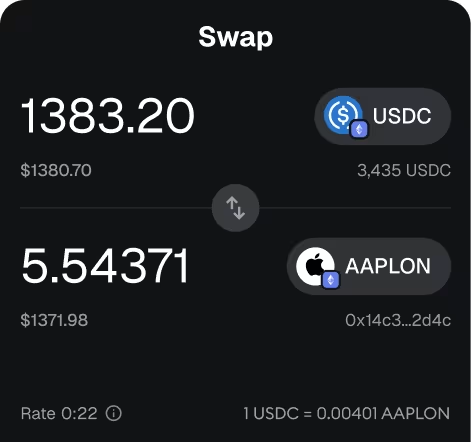
The distinctive part of the flow is the quote screen. Before a transaction reaches the chain, the wallet compares available routes, estimates output, includes network costs, and presents the path as a transaction the user reviews. That routing step matters because a token pair rarely has a single source of liquidity. A USDC to ETH trade on Ethereum, a POL trade on Polygon, and a stablecoin exchange on an L2 all draw from different pools, market makers, and aggregators.
Metamask swap keeps the decision inside the wallet interface. The user chooses the tokens, amount, network, and slippage tolerance, then signs only after reviewing the final details. The wallet does not erase on-chain costs: gas still pays validators or sequencers, token approvals still create permissions, and the final settlement still follows the rules of the selected network.
Networks, assets, and the role of the active chain
The active network in MetaMask determines what the swap screen shows. Ethereum uses ETH for gas, Polygon uses POL, BNB Smart Chain uses BNB, and layer 2 networks such as Arbitrum, Optimism, and Base use their own fee accounting while settling activity through their rollup design. Tokens appear when the wallet recognizes the asset or when the user adds the token contract manually.
More broadly, Metamask swap is strongest when the user already understands which chain holds the funds. A USDC balance on Ethereum is separate from a USDC balance on Base or Arbitrum. Swapping changes one token into another on the selected network; it does not automatically bridge assets from one chain to another. That distinction keeps expectations clear when a user sees the same ticker across several ecosystems.
What the quote screen tells you before approval
A good quote screen compresses several moving parts into one review step. The displayed output, price impact, network fee, route, and maximum slippage setting together describe the trade the wallet will submit. Price impact reflects how much the trade moves through available liquidity. Slippage tolerance defines the allowed difference between the shown quote and the executed amount when the transaction lands.
Day to day, Metamask swap also brings token approvals into the same practical workflow. If the asset being sold is an ERC-20 style token, the user approves spending before the exchange transaction executes. ETH and similar native assets skip that approval step because gas assets live directly on the account balance. Reviewing approvals matters most with unfamiliar tokens, thin liquidity, and repeated attempts after failed transactions.
Where fees enter the trade
Costs arrive from several places, and they do different jobs. The network fee pays for blockspace. The liquidity route embeds the market price available at that moment. A service fee or spread appears when the wallet's swap provider charges for aggregation and execution support. The quoted amount is the practical number to compare, because it reflects the route, the token pair, and the chain conditions at the time of review.
On Ethereum mainnet, gas dominates smaller trades during busy periods. On layer 2 networks, the fee is lower, but liquidity depth and token availability still decide the quality of the route. Metamask swap gives the cleanest experience when the trade size matches the liquidity on that chain and the wallet has enough native gas token left after the exchange.
How to make a first wallet swap cleanly
Start with the network that already contains the asset you want to trade. Open the swap flow, choose the token you are selling, choose the token you want to receive, and enter a modest amount for the first attempt. The quote review should show the expected output, the gas estimate, and the slippage control before any signature request appears.
- Keep extra ETH, POL, BNB, or the relevant native token for gas.
- Check that the token contract matches the asset you intend to trade.
- Use lower trade sizes on tokens with shallow liquidity.
- Review token approvals when selling ERC-20 assets.
- Wait for the pending transaction to settle before submitting another swap.
Once the wallet broadcasts the transaction, settlement depends on the selected chain. A busy Ethereum transaction waits in the mempool, while an L2 transaction appears faster but still needs the sequencer to include it. The wallet balance updates after the transaction confirms and the token list refreshes.
Common use cases beyond a simple ETH trade
Many users first discover Metamask swap when they need ETH for an NFT mint, USDC for a payment, or a governance token for a dapp. The same flow also supports portfolio cleanup, moving out of small token balances, and preparing assets for DeFi actions such as supplying liquidity or opening a lending position. The wallet context makes these trades convenient because the account, token list, and dapp activity already live in one place.
Stablecoin exchanges are another frequent use case. Moving between USDC, DAI, USDT, and network-specific stable assets hinges on liquidity depth and token contract accuracy. For volatile tokens, the review step deserves more attention because price impact and slippage become meaningful as liquidity thins.
Security details that matter during a swap
The wallet's security model starts with self-custody: the account signs transactions, and the user keeps control of the secret recovery phrase. Modern MetaMask features add warnings, transaction simulation, and protections around suspicious approvals, but the signed transaction still carries real authority. A single mistaken token approval or fake token contract creates a durable permission that should be revoked when it is no longer needed.
Importantly, Metamask swap reduces the need to jump between unfamiliar exchange pages, which lowers exposure to lookalike interfaces. The sharper risk sits inside the transaction itself: wrong network, wrong token contract, excessive approval, or a slippage setting that permits a worse fill than intended. Treat the review screen as the final transaction document, not as a formality.
When a dedicated exchange or aggregator fits better
Some trades benefit from a specialist interface. Uniswap gives direct access to its own pools and concentrated liquidity positions. 1inch emphasizes advanced routing across decentralized exchange sources. Matcha presents aggregated pricing with a trading-focused layout. A centralized exchange such as Coinbase suits users who want order books, account-based custody, and direct fiat rails.
In practice, Metamask swap fits the user who wants a wallet-native route, fast access from the account holding the funds, and a direct path from token balance to signed transaction. Larger trades, highly illiquid assets, and bridge-heavy moves deserve a more deliberate comparison across venues because route quality and execution assumptions change with size.
Why failed swaps happen and what changes the outcome
A failed transaction normally traces back to gas, slippage, token permissions, or liquidity movement between quote and confirmation. If gas is underpriced, the transaction waits or fails. If the market moves outside the allowed slippage range, the contract rejects execution. If the approval is missing or tied to a different token contract, the swap cannot spend the asset.
Retrying immediately with the same settings repeats the same failure. The better fix is to read the wallet message, confirm the network and token, adjust gas or slippage only when the quoted trade still makes sense, and wait for any pending transaction with the same nonce to resolve. Metamask swap provides the interface, while the chain enforces the final state change.
Common questions about Metamask swap
What fees show up before using a MetaMask wallet swap?
The review screen shows the network fee for the selected chain and the expected token output from the route. The route already reflects liquidity conditions, price impact, and any service charge included by the swap provider. Ethereum mainnet trades pay ETH gas, Polygon trades pay POL gas, and other networks use their own native fee token.
Can I cancel a pending swap transaction from MetaMask?
A pending transaction can be replaced by submitting another transaction with the same nonce and a higher fee, which is how cancellation works on EVM networks. The wallet interface may offer a cancel or speed-up action while the transaction is still pending. Once the transaction confirms, the swap is final on that chain.
Why does my received amount differ from the first quote?
The first quote reflects market conditions at the time it was requested. Between quote and confirmation, liquidity changes, gas conditions shift, and other trades move pool prices. The slippage setting defines the worst accepted execution range. If the route moves beyond that range, the transaction fails instead of completing at a much worse amount.
Which tokens require an approval before swapping?
ERC-20 style tokens require an approval because the swap contract needs permission to spend the token from the wallet. Native gas assets such as ETH on Ethereum do not use that approval flow. Approval prompts should name the token and spending contract, and old unlimited approvals deserve review after the trade is complete.
Recovering a swap when the new token is missing from the wallet balance?
First check whether the transaction confirmed on the correct network in the wallet activity view. If it did, the received token may simply be hidden from the visible asset list. Add the token with its contract address on that same network, then refresh the wallet. A missing display entry does not mean the confirmed token balance disappeared.